A logbook loan is a secured loan. Rather than relying mainly on your credit history, the lender takes security over a vehicle you own. With V5 Solutions you can borrow between £1,000 and £50,000 this way, over a term of 18 to 60 months.
The advantages are easiest to understand through the situations people are in when they apply. Below we look at five common ones, explain which feature of the loan helps in each, and finish with the trade-offs to be clear about first.
When a Past Credit Problem Is Holding You Back
Many mainstream lenders lean heavily on credit scoring. If your file shows defaults, a county court judgment or simply very little history, you may be declined before anyone has looked at your current situation.
V5 Solutions assesses applications differently. We base our decision on the value of your vehicle and on affordability, meaning whether you can manage the repayments from your income once essential spending is covered. A poor credit record is not an automatic barrier. An underwriter reads your bank statements and speaks to you by phone, so you can explain what happened and how things stand today.
If you want to find out where you stand, a quote uses a soft search, which gives you a personalised figure and does not affect your credit score.
When You Cannot Manage Without Your Vehicle
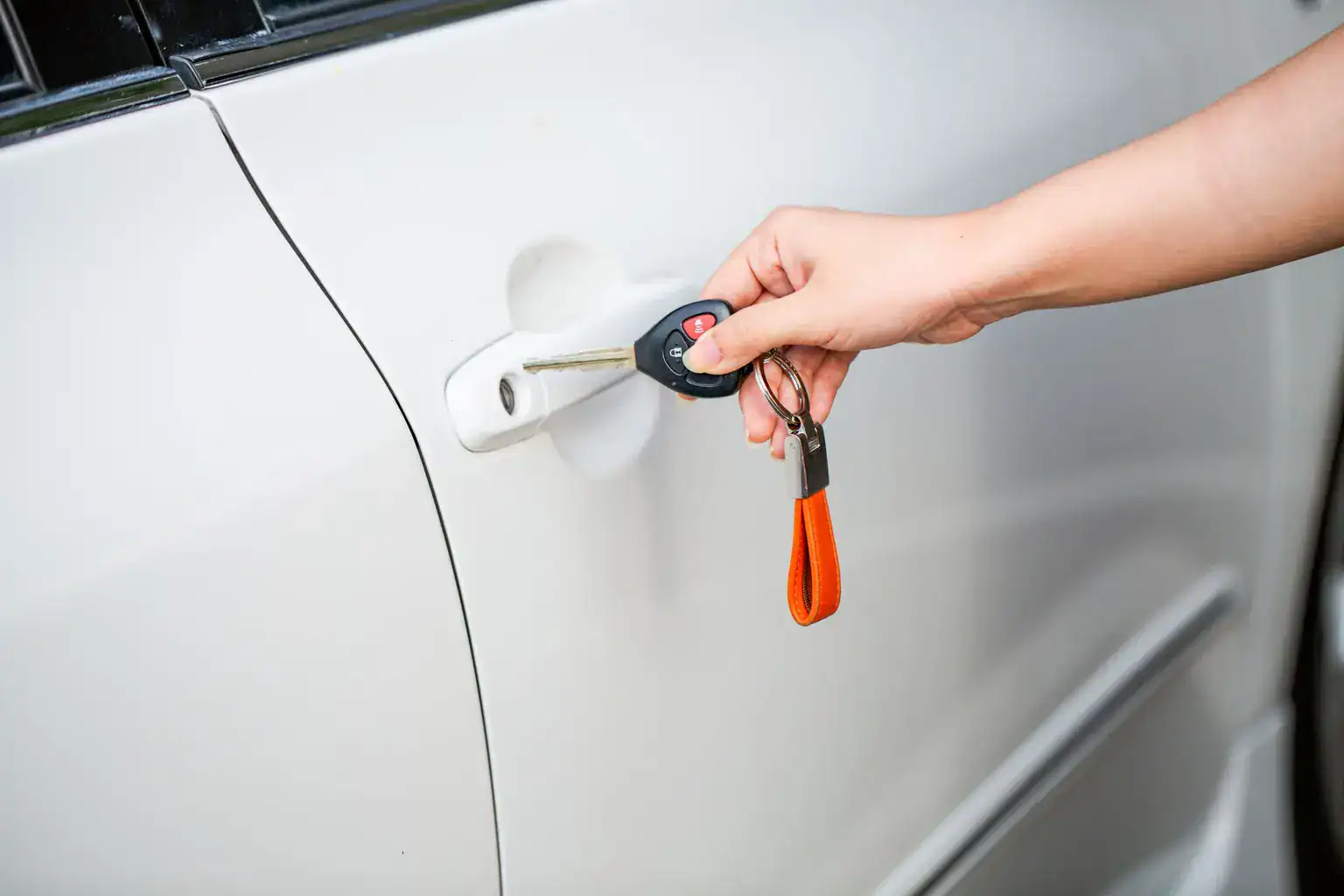
Some ways of borrowing against an asset, such as pawning, mean handing it over. A logbook loan works another way. You sign a Bill of Sale, a legal document that gives V5 Solutions ownership of the vehicle as security until the loan is repaid, while you keep possession and carry on driving.
We do not hold on to your V5C registration certificate or ask for a spare key. In Scotland, and for some other UK loans, the loan is set up as a Hire Purchase agreement, signed online, rather than a Bill of Sale. Our page on how logbook loans work explains each step in more detail.
When the Money Is Needed Within a Day or So
Speed matters when a cost cannot be put off. The V5 Solutions process is designed to run from application to payout in a short time:
- You apply online and receive your personalised quote.
- An underwriter reviews your bank statements and calls to confirm affordability.
- Most loans need a short home visit: an agent usually arrives within 3 working hours to act as witness when you sign the Bill of Sale, and takes a photo of you with the car.
- The funds are sent to your bank account by transfer, usually within 24 working hours of your application.
When You Need Certainty About What You Will Pay
Uncertainty makes budgeting harder. With V5 Solutions, the interest is fixed at the point you sign the agreement and stays the same for the life of the loan. Your repayment schedule is set out before you commit, and you choose between weekly and monthly instalments, collected by recurring debit card payment.
A fixed schedule helps with planning, but it also means the commitment is firm. Read our guide to questions to ask before taking a logbook loan so you are confident the repayments would still work if your income fell.
When Your Finances Improve Before the Term Ends
Circumstances change, sometimes for the better. You can repay a V5 Solutions loan early at any point and receive a rebate on the interest, so clearing it ahead of schedule reduces the total you pay. The settlement quote includes one month's interest. Once the final payment is made, ownership of the vehicle passes back to you.
The Trade-Offs to Understand First
Each benefit above comes with responsibilities. Borrowing secured on a vehicle generally costs more than a mainstream personal loan, so check the representative example on our calculator before going further. If repayments are missed, the vehicle can ultimately be repossessed. Only borrow if you are confident the repayments are affordable, and consider alternatives such as a credit union first. This article is general information, not financial advice. Free, impartial guidance on your own situation is available from MoneyHelper and National Debtline, and our frequently asked questions cover many common concerns.
Your car may be repossessed if you do not keep up repayments on a loan secured against it.