Most of us judge food prices by the number on the packet. A more useful measure is the cost per meal: what each portion actually costs once it is on the plate. Thinking this way makes it much easier to see which ingredients are expensive and which lower-cost alternatives will do the same job.
This guide from V5 Solutions explains how to work out that figure and then goes through the swaps that tend to reduce it the most.
How to Work Out the Cost per Meal
Shelf labels in UK supermarkets usually show a unit price, such as the price per kilo, per litre or per 100 grams. This is the fairest way to compare two products, because pack sizes vary so much.
To find the cost per portion, divide the price of the pack by the number of servings you get from it. For example, if a bag of pasta costs £1 and serves eight, each portion of pasta costs about 12.5p. Do this for the main parts of a regular family meal and you will quickly see where most of the money goes. In many households it is the protein, followed by convenience items like sauces and ready-prepared vegetables.
Protein Swaps
Because meat and fish are usually the most expensive ingredients, swaps here make the biggest difference to the cost per meal.
Choose cuts that suit slow cooking
Tougher cuts such as beef shin, brisket and pork shoulder are often priced below lean steaks and fillets. Cooked slowly in a casserole or slow cooker, they become soft and full of flavour. Chicken legs and thighs are similarly good value compared with breast meat.
Mix in plant protein
Dried or tinned lentils, beans and chickpeas cost little per portion and keep for a long time. Adding them to mince dishes lets you use less meat without making the meal smaller. Dried pulses are usually lower cost than tinned, though they take more preparation.
Use eggs and tinned fish
Eggs make a quick, filling dinner in omelettes, shakshuka or egg fried rice. Tinned mackerel, sardines and tuna give you fish at a fraction of the price of fresh fillets.
Fruit and Vegetable Swaps
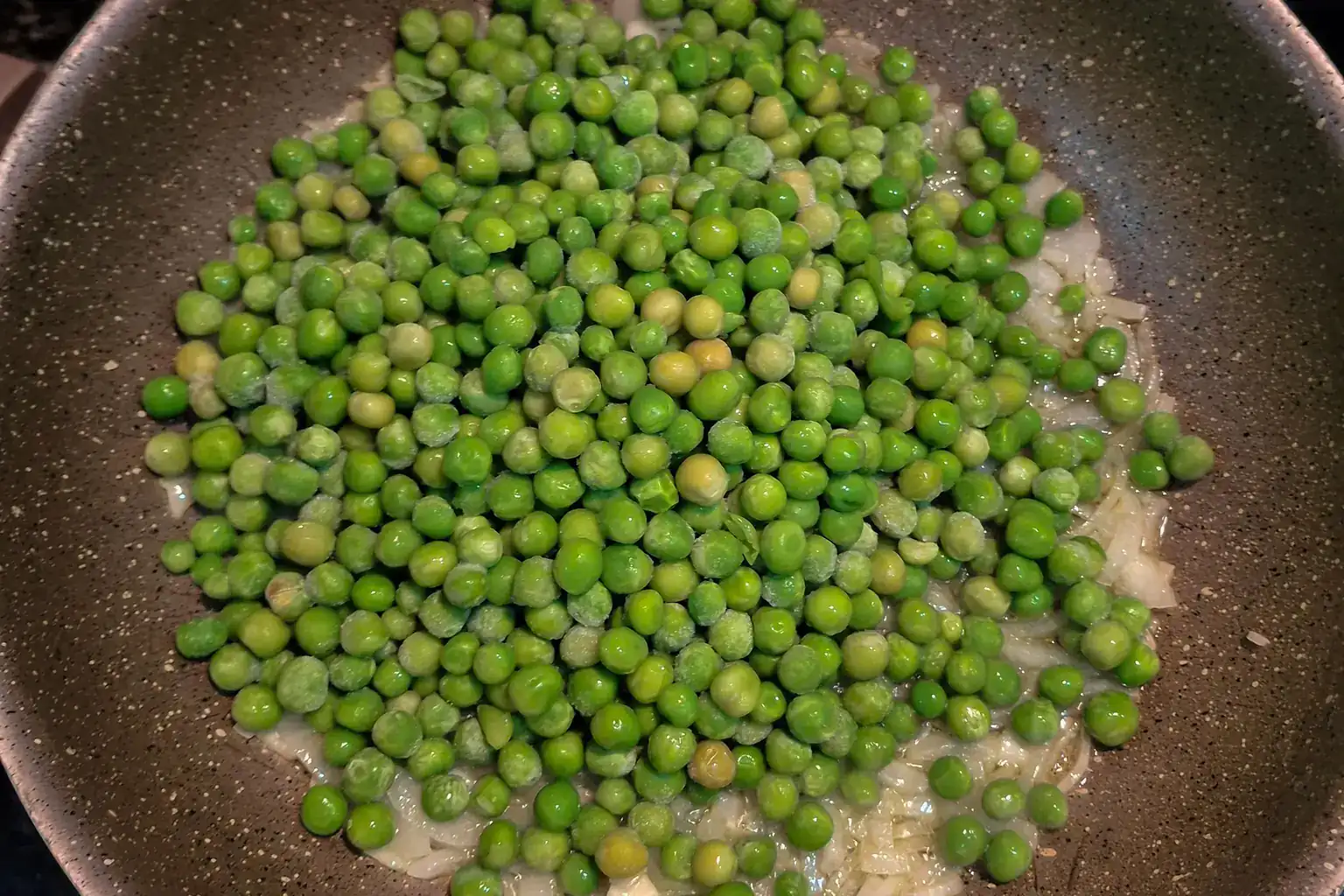
Frozen produce often has a lower cost per portion than fresh, mainly because none of it goes off before you use it. Frozen berries work well in porridge and smoothies, and bags of frozen peas, sweetcorn, broccoli or spinach can go straight into a pan. The NHS 5 A Day guidance confirms that frozen and tinned varieties count.
Other produce swaps to consider:
- Seasonal vegetables rather than ones flown in out of season.
- Whole carrots, potatoes and onions instead of chopped or prepared packs.
- Root vegetables and cabbage as filling, long-lasting bases for soups and stews.
Store-Cupboard Staples and Ready Meals
Store-cupboard basics are where own-label ranges really earn their place. Standard or value versions of rice, pasta, oats, flour, tinned pulses and stock cubes tend to differ little from branded ones, yet the gap in price can be large.
Ready meals and jars of sauce carry a premium for convenience. A tin of chopped tomatoes, an onion, garlic and dried herbs make a pasta sauce for much less than a jar, and it can be made in bulk. Cooking a double batch at the weekend and freezing the extra means you have your own ready meals for busy evenings, at a lower cost per portion.
Swaps That Reduce Food Waste
Food you throw away pushes up the real cost of every meal you do eat. A few habits keep waste down:
- Store bread, grated cheese and cooked rice portions in the freezer.
- Plan one meal a week that uses up whatever is left in the fridge.
- Buy smaller amounts of perishable items, even if the larger pack has a lower unit price, unless you are certain you will use it.
- Check dates when you unpack the shopping and move older items to the front.
Our guide to dealing with rising prices covers other ways to protect your household budget, and our article on protecting your finances when times are tough looks at the bigger picture. If you are struggling to afford food, Citizens Advice can point you to local help, and StepChange offers free advice if debts are part of the problem.





