Utility bills make up a large part of most household budgets, and they tend to feel fixed. Yet the amount you pay depends on more than the price set by the supplier. It also reflects the deal you are on, whether you are billed accurately, whether you qualify for support and how you use energy and water day to day.
V5 Solutions has organised this guide as a checklist of questions. Work through each one for your energy, water and broadband accounts and note any changes you can make.
Are You on the Right Energy Tariff?
Anyone who has not chosen a specific deal is likely to be on a default or standard variable tariff. These are covered by the energy price cap, which is set by Ofgem and reviewed regularly. It is important to understand what the cap does and does not do. It limits the price of each unit of gas and electricity and the standing charge, but your total bill still depends on how much you use.
Fixed tariffs lock in prices for a set period. Whether one is worth having depends on the market at the time, so compare fixed deals against your current rates, including any exit fees, before you change. The Ofgem website has impartial guidance on switching.
Are You Paying for What You Actually Use?
Energy meter readings
Without a working smart meter, your supplier may estimate your usage. Estimates can drift a long way from reality. Submitting readings regularly keeps your account accurate and stops a large debit building up. Ofgem's back-billing rules generally prevent suppliers from charging for energy used more than a year ago if you were not correctly billed and the error was not your fault.
Water meters
Households in England and Wales are usually billed either through a meter or on the rateable value of the property. Smaller households in larger homes often pay less with a meter, which can be fitted free on request. If installation is not possible, the water company may offer an assessed charge. Ask whether there is a window for reverting to your old charging method if metering turns out to cost more. Water charges in Scotland are collected alongside council tax.
Broadband speed and contract
Providers have to notify you before your minimum contract term ends. Once out of contract, prices often rise. Use that notice as a prompt to compare deals and to ask yourself whether a slower, lower-cost package would meet your household's needs.
Do You Qualify for Extra Help?
- Broadband social tariffs: lower-cost packages for people receiving Universal Credit, Pension Credit and some other benefits. Not every provider offers one, so ask yours directly.
- Water support schemes: each water company runs its own social tariff for customers on low incomes. In England and Wales, the WaterSure scheme caps metered bills for eligible households receiving certain benefits who either have three or more children under 19 at home or a medical condition requiring high water use.
- Priority Services Register: free extra support from your energy supplier, network operator and water company if you are older, disabled, have a long-term condition, have a young family or are otherwise in a vulnerable situation. Benefits include notice of planned supply interruptions and accessible bills. Register with each company separately.
- Warm Home Discount: a scheme that can reduce the electricity bill for some eligible households in winter.
Which Everyday Habits Make the Most Difference?
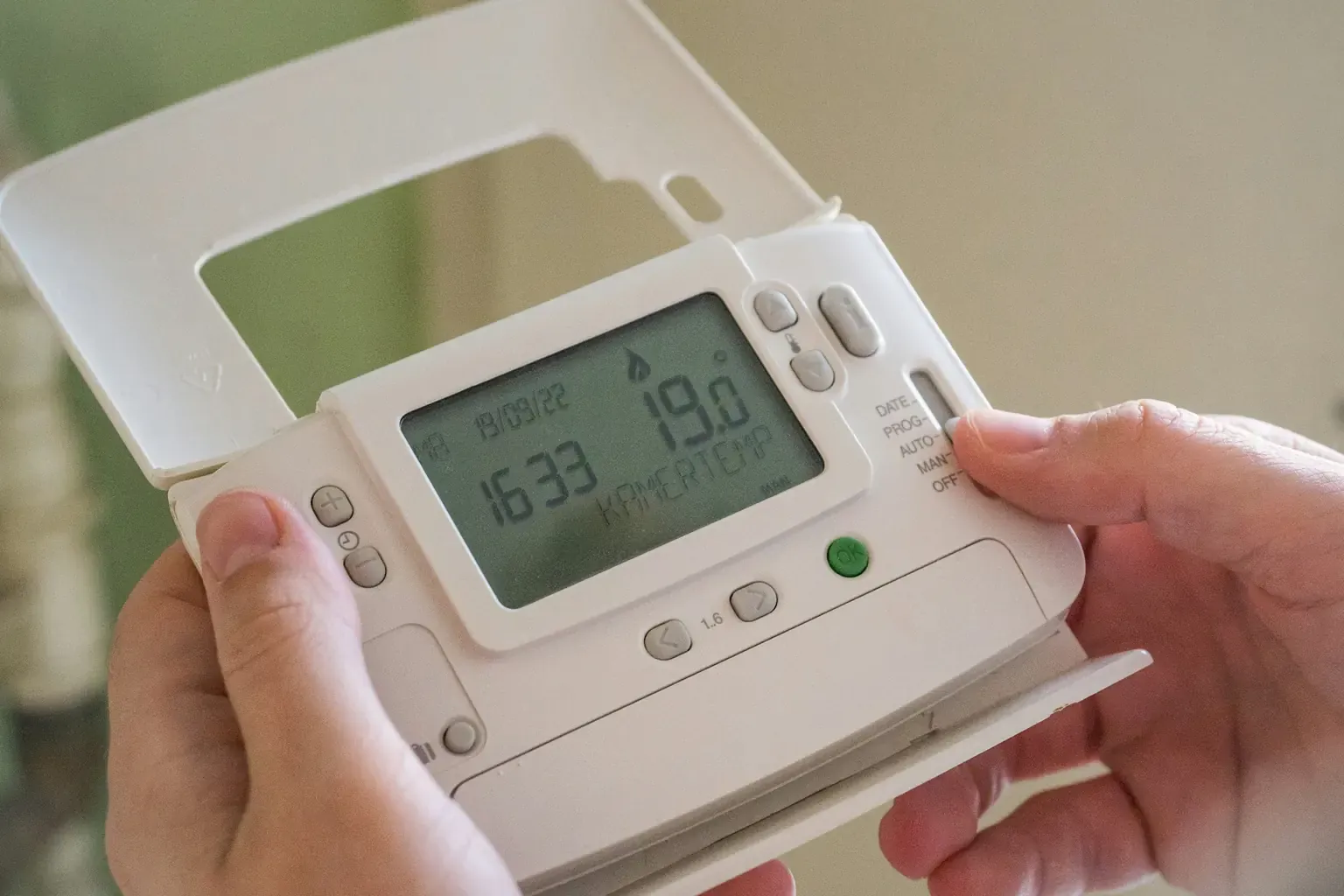
Heating and hot water account for a large share of household energy use, so this is where habits matter most. Setting heating to come on only when you need it, keeping doors closed to hold warmth in occupied rooms and dealing with draughts all help. A water-efficient shower head reduces both water and energy costs on a meter.
In the kitchen and utility room, run washing machines and dishwashers with full loads and use eco programmes where available. Lids on pans cut cooking time. Unplugging chargers and turning off games consoles fully, rather than using standby, removes small but constant drains on electricity.
What Should You Do If You Cannot Pay?
Speak to the supplier before arrears grow. Energy companies are required to offer support to customers in payment difficulty, including affordable repayment plans, and many water companies have hardship schemes. For independent help, contact Citizens Advice or MoneyHelper. Our guides to planning for annual bills and working out your budget can also help you get back on track.





