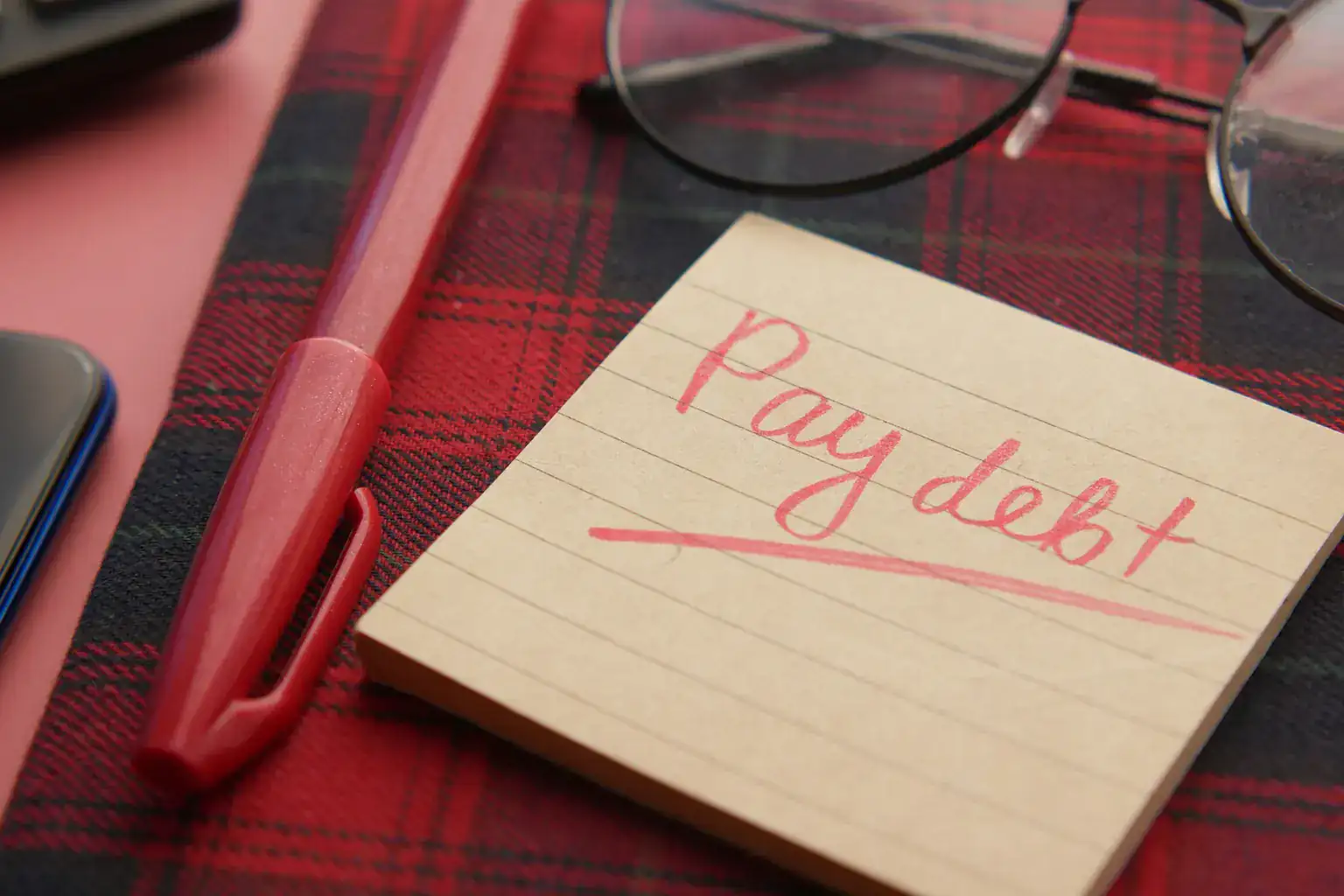
Getting out of debt rarely happens through a single big decision. More often, it is the result of a clear plan, steady repayments and getting the right help at the right time. Whatever you owe, the earlier you act, the more options you are likely to have.
In this guide, V5 Solutions answers the questions people most often ask when they decide to tackle their debts, including a worked comparison of the two most popular repayment strategies.
Where Should You Start?
Begin with a full list of what you owe. For each debt, note the creditor, the outstanding balance, the interest rate, the contractual monthly payment and any arrears. Then compare your total monthly income with your essential living costs. The difference is the amount you can realistically put towards debt each month.
If you have not built a budget before, our guide to choosing a budgeting method shows different ways to do it. Our article on reducing your utility bills may also free up some money.
Which Debts Should You Pay First?
Debt advisers divide debts into two groups. Priority debts are those where non-payment can lead to eviction, repossession of your home, disconnection of energy, enforcement by bailiffs or, in rare cases, imprisonment. These include housing costs, council tax, energy bills, magistrates' court fines, child maintenance and money owed to HMRC.
Non-priority debts include credit cards, store cards, overdrafts, catalogue accounts, unsecured personal loans and money borrowed from friends or family. They still matter, and missing payments will affect your credit file, but the immediate consequences are less severe. Debt advisers generally say that priority debts need to be dealt with first.
Snowball or Avalanche: Which Repayment Method Is Better?
Both methods involve paying the minimum on every debt and directing any extra money at one target. They differ in how that target is chosen. Consider this example, using made-up figures:
- Catalogue account: £400 owed, interest rate 18%
- Credit card: £2,200 owed, interest rate 29%
- Personal loan: £3,500 owed, interest rate 12%
The snowball approach
Clear the catalogue account first because it has the smallest balance, then move on to the credit card and finally the loan. The first debt disappears within a few months, which provides an early sense of progress. Many people find these quick wins help them stay committed.
The avalanche approach
Rank your debts by interest rate and attack the most expensive one first. In this example, that means the credit card, then the catalogue account, then the loan. Because the largest, costliest balance shrinks sooner, less interest builds up overall, so the avalanche approach normally costs less in total. The trade-off is that it can take longer before you clear your first debt completely.
Which method suits you depends on your circumstances. Some people prefer the snowball because the early wins keep them motivated, while others prefer the avalanche because it keeps the overall cost down. The method that works is the one you can follow consistently.
What If You Cannot Afford Your Repayments?
Contact your creditors as early as possible. Lenders regulated by the FCA are expected to treat customers in financial difficulty fairly, which can include accepting reduced payments, pausing interest or allowing time to recover. Keep a record of every conversation and request written confirmation of any agreement.
A free debt adviser can do much of this for you. National Debtline, StepChange, Citizens Advice and MoneyHelper all provide impartial advice at no cost. Depending on your circumstances, they may suggest:
- an informal arrangement or debt management plan to reduce monthly payments
- the Breathing Space scheme in England and Wales, which offers 60 days of protection from most creditor action
- formal solutions such as a Debt Relief Order, an Individual Voluntary Arrangement or, in Scotland, the Debt Arrangement Scheme
Should You Take Out New Credit to Clear Old Debts?
Borrowing to repay existing debts can extend the time you are in debt, add fees and interest, and leave you with less flexibility if your situation changes. Whether it makes sense depends on your circumstances, so it is worth getting free advice before you sign any new credit agreement while you are struggling.
When your debts are under control, focus on rebuilding. Our guide to the factors that affect your credit score explains how. If debt is affecting your wellbeing, Mind offers support on money and mental health.
This article is general information, not financial advice. For free, impartial help with your own situation, visit MoneyHelper.





